Introduction
Single-serve coffee makers have fundamentally changed how many people approach their morning routine. Rather than brewing an entire pot, these machines allow individuals to prepare a single cup on demand—perfect for those who want customization without waste. The Keurig K-Supreme represents one approach to this category, incorporating several features designed to address common requests from coffee drinkers.
This article explores the mechanics, practical applications, and considerations surrounding single-serve brewing technology, with particular attention to how the K-Supreme’s specifications might fit into different household scenarios. Whether you’re exploring this category for the first time or comparing options, understanding what these machines actually deliver—separate from marketing language—can help inform a more thoughtful decision.
Key Features Explained
MultiStream Technology and Brew Quality
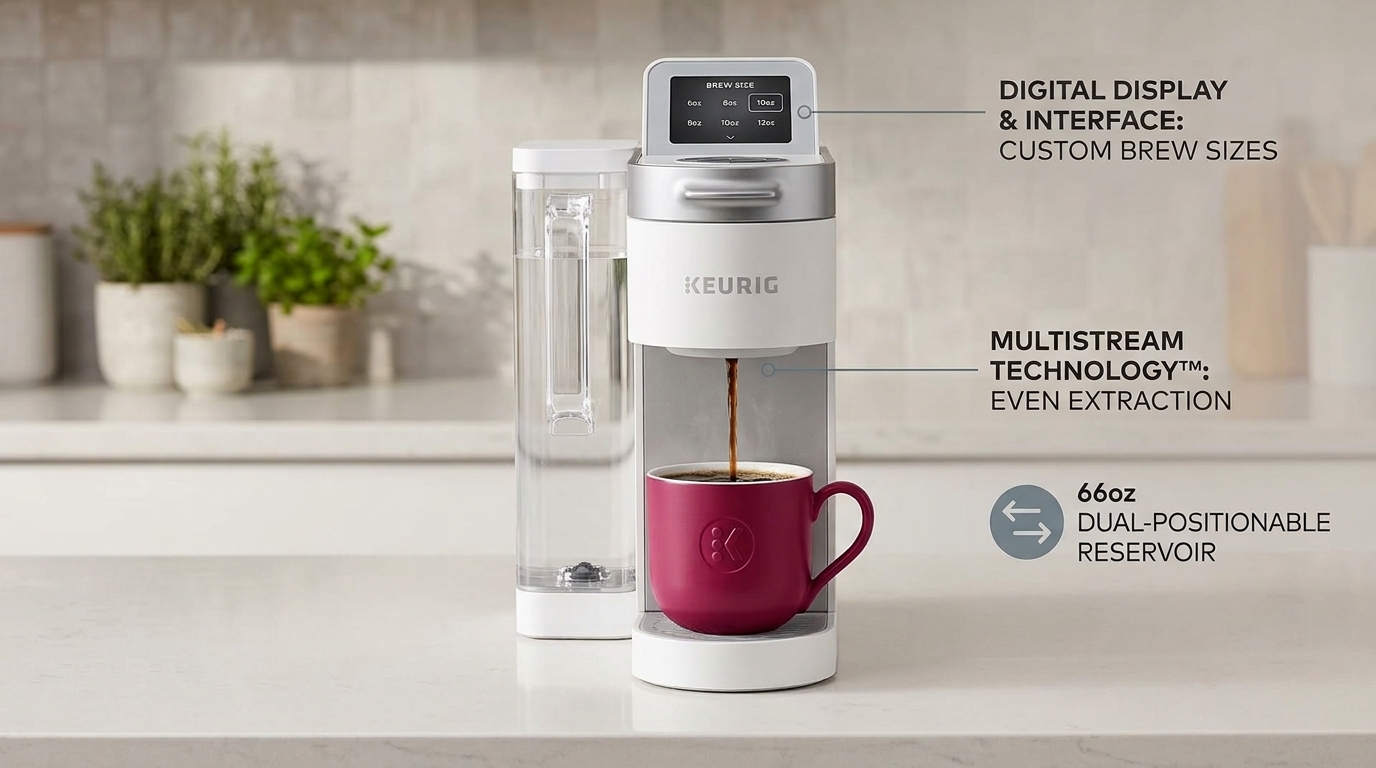
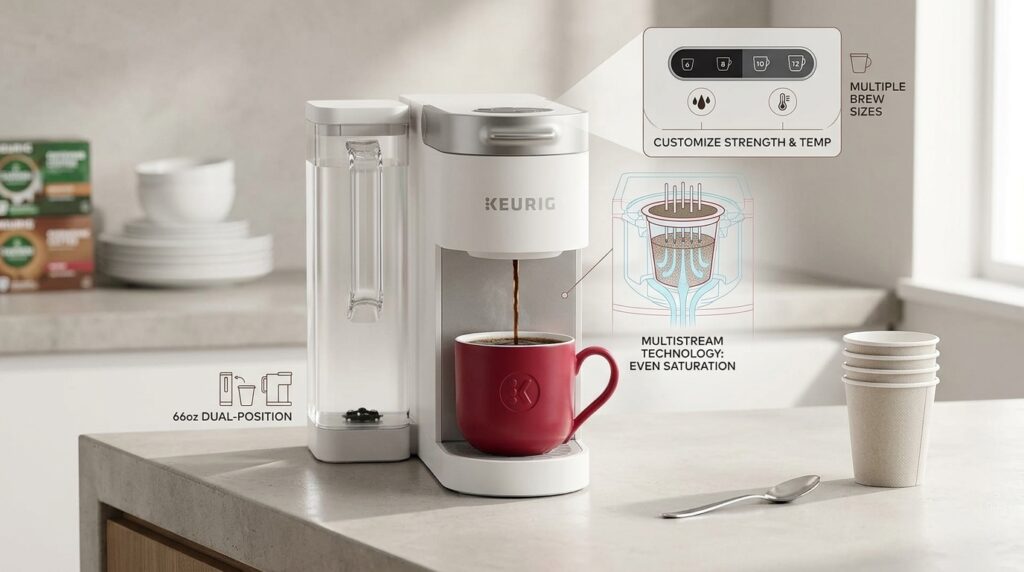
The K-Supreme includes what Keurig calls MultiStream Technology, a feature intended to improve how water interacts with ground coffee during brewing. Traditional single-serve brewers deliver water through a single point, which can create uneven saturation. MultiStream approaches this differently by directing water across the coffee grounds in multiple patterns.
The practical impact relates to extraction—how effectively the brewer pulls flavor compounds from the coffee. When water distributes more evenly, the brewing process can be more consistent cup-to-cup. This matters particularly for people who notice quality variations when using the same K-Cup pod multiple times, or who are exploring different coffee brands with the same machine.
It’s worth noting that extraction depends on multiple factors: water temperature, contact time, coffee freshness, and pod quality. The technology itself represents one component of the overall brewing experience rather than a guarantee of superior taste in every scenario.
Four Brew Size Options
The machine offers four different brew sizes, typically ranging from smaller concentrated shots to larger standard cups. This flexibility serves different purposes throughout the day. Someone might prefer a smaller, more intense cup in the morning, a standard 8-ounce mug for mid-morning, and perhaps a larger 10 or 12-ounce option for afternoon or evening consumption.
The ability to adjust brew sizes also matters for K-Cup compatibility. Not all coffee pods perform equally across all size settings. Lighter roasts might deliver better flavor in a smaller brew, while larger sizes might work better with bolder blends. Having multiple options allows experimentation to find what works best with specific coffee preferences.
The 66-Ounce Removable Reservoir with Dual Positioning
Water capacity directly affects convenience. A 66-ounce reservoir holds approximately five standard 12-ounce cups worth of water, meaning most users can brew multiple cups before refilling. For someone preparing drinks for their household, or someone making several cups throughout the morning, this capacity reduces the number of refill cycles.
The dual-position aspect means the reservoir can be filled from the side or the back of the machine. This flexibility accommodates different kitchen layouts and counter configurations. In tight spaces where pushing the machine back against a wall is necessary, a rear fill position becomes genuinely useful. Conversely, if the machine sits more toward the front of a counter, the side position might feel more natural.
Removability simplifies cleaning and filling. You can take the reservoir to the sink rather than filling the machine in place, which some people find more convenient, particularly when dealing with filtered water or specific water quality considerations.
Compact Design in White
The white finish positions the machine to coordinate with various kitchen aesthetics. The physical footprint remains relatively modest compared to full-sized automatic drip machines, making it viable even for smaller kitchens or dorm rooms. For people with limited counter space, single-serve brewers generally offer more flexibility than their larger counterparts.
How Single-Serve Brewing Fits Into Daily Life
Morning Routines and Schedule Flexibility
The primary advantage of single-serve brewing is speed and immediacy. Unlike full-sized machines that require waiting for a complete pot to brew, these units typically produce a cup in under three minutes from start to finish. For people with varying wake-up times or those who share a kitchen, this reduces conflict and waiting.
Households with different coffee preferences benefit considerably from this model. One person might prefer dark roast espresso pods while another enjoys flavored varieties or completely different beverages using the same machine. The K-Cup ecosystem encompasses hundreds of options across coffee types, teas, and hot chocolate, making it possible for multiple preferences to coexist.
Portion Control and Waste Reduction
Brewing only what you’ll drink addresses a real concern: leftover coffee sitting in a carafe. When someone prepares a 12-ounce cup specifically for themselves, that beverage gets consumed while still fresh. This eliminates waste from full pots that cool down and go undrunk.
The K-Cup format itself presents environmental tradeoffs worth acknowledging. Individual pods create more packaging waste than bulk coffee, though many pods are now recyclable or compostable depending on local facilities. Some people address this by using refillable pod options that work with Keurig machines, allowing the brewing convenience while using loose coffee grounds.
Usage Scenarios Throughout the Household
Guest preparation becomes simpler with single-serve equipment. You can offer visitors exact portion sizes of their preferred beverage without guessing quantities or wasting resources. The brewing speed also means you’re not monopolizing the kitchen for extended periods.
Home office settings benefit from having coffee-making capability at the desk or nearby. The compact machine doesn’t require the space or infrastructure of a full break room setup. This matters for remote workers, students studying from home, or anyone who spends extended periods in a home workspace.
Who Might Find This Approach Suitable
Small Households and Solo Living
Single-serve machines align particularly well with people living alone or in couples. These individuals rarely need more than one or two cups at a time, making the pod system both economical and practical. A full-sized 12-cup drip machine would be genuinely wasteful for this scenario.
People with Diverse Beverage Preferences
Households where members have significantly different tastes—one person wants black coffee, another wants flavored varieties, a third prefers tea—benefit from the flexibility. Everyone can have exactly what they want without anyone having to drink compromised choices or waste product.
Mobility-Limited Individuals
For people with mobility challenges, the compact size and the reservoir’s easy removal can be meaningful accessibility features. The machine requires less physical manipulation than traditional brewing methods, and the water capacity means fewer refill trips.
Frequent Travelers and Temporary Residents
College students, people in temporary housing, or those who relocate frequently might prefer equipment that doesn’t require permanent installation or significant counter commitment. Single-serve machines fit this transient lifestyle better than full-sized alternatives.
Important Considerations and Limitations
Ongoing Pod Purchases
The K-Cup pod system creates an ongoing purchasing requirement. Unlike traditional coffee brewing where you buy beans once and brew many times, each K-Cup is generally single-use. This represents a recurring cost that varies based on consumption rates and pod prices.
The economic comparison between pods and loose coffee typically favors loose coffee over time, though convenience factors into the equation for many users. Someone might reasonably choose the pod system despite higher per-cup costs if the convenience genuinely improves their daily quality of life.
Machine Maintenance and Cleaning
Single-serve brewers require regular descaling to remove mineral buildup, particularly in areas with hard water. This isn’t a major undertaking, but it’s an ongoing maintenance requirement that some people overlook initially. Following manufacturer guidance on descaling frequency helps maintain both performance and machine longevity.
The removable reservoir simplifies some cleaning, but accessing and cleaning the internal brewing chamber requires intentionality. Neglecting this maintenance can lead to slower brewing speeds or compromised water quality over time.
Brewing Consistency Variables
While MultiStream technology aims for consistency, results still depend on multiple factors outside the machine’s control. Pod quality varies across brands. Water temperature, mineral content, and the specific coffee blend all influence what you experience. Someone expecting perfect consistency with every single pod regardless of brand or quality level may encounter disappointment.
Noise Level
Single-serve brewers tend to be noisier than traditional drip machines. The pressurized brewing cycle creates sound that some people find tolerable and others find disruptive, particularly in early morning scenarios in shared households. Testing the machine or reading detailed descriptions of operational noise can inform whether this matters for your situation.
Comparing Brewing Approaches
Single-Serve Versus Full-Pot Brewing
Full-sized coffee makers make economic sense for larger households or high-consumption scenarios. If everyone in your household drinks multiple cups throughout the morning, or if you host frequent gatherings, the per-cup cost of traditional brewing becomes significantly lower. However, the convenience factors and customization options of single-serve systems solve different problems than pure economics.
Pod-Based Versus Pour-Over Methods
Pour-over and manual brewing methods offer maximum customization over grind size, water temperature, and brewing time. They also avoid pod waste and offer lower cost per cup. However, they require more active participation and skill development. The convenience-versus-control tradeoff favors single-serve systems for people prioritizing speed and simplicity over hands-on brewing engagement.
Single-Serve Machines with Various Features
Not all single-serve brewers include the same technology. Some machines focus purely on basic brewing without features like MultiStream technology or adjustable brew sizes. The relevant question is whether these additional features address actual pain points in your brewing routine or represent unnecessary complexity.
Frequently Asked Questions
What types of beverages can you prepare with K-Cup compatible machines?
The ecosystem includes various hot beverages: coffee in multiple roasts and flavors, tea options, hot chocolate, and specialty drinks. The machine brews whatever is available in compatible pod format. You’re not limited to traditional coffee choices, though coffee pods dominate the available selection.
How often does descaling need to happen?
Manufacturer recommendations typically suggest descaling every 3-6 months, though this varies based on water hardness and usage frequency. Areas with very hard water may require more frequent descaling. Paying attention to brewing speed can indicate when mineral buildup is beginning to accumulate.
Can you use your own coffee instead of pre-packaged pods?
Refillable K-Cup alternatives exist that allow you to use loose ground coffee with Keurig-compatible machines. These reusable options address both cost and environmental concerns, though they require manual filling and greater cleanup than pre-packaged pods. They’re worth exploring if pod cost or waste represents a significant concern.
What’s the actual difference between brew size settings?
The machine adjusts water volume for each size selection, typically offering options like 6, 8, 10, and 12 ounces. Smaller sizes concentrate the flavor more, while larger sizes dilute it slightly. Different coffees and personal preferences align with different sizes—experimentation helps identify your preference.
How long does the machine last?
Single-serve brewers don’t have a standard lifespan, as usage patterns vary widely. With regular descaling and normal use, they typically operate for several years. Sediment buildup or internal component degradation can eventually limit performance, but this timeline depends heavily on water quality and maintenance habits.
Is the noise level during brewing something most people adjust to?
Some people find the sound unremarkable after a few days, while others remain bothered by it long-term. If you’re sensitive to noise or your machine will be brewing in a quiet bedroom early in the morning, testing the actual sound level matters. Rooms with hard surfaces amplify the noise more than carpeted spaces.
Conclusion
The Keurig K-Supreme represents a specific approach to coffee brewing—prioritizing speed, convenience, and customization over economy and manual control. Its features, particularly the MultiStream technology and flexible brew sizes, address genuine requests from coffee drinkers who want consistency and options in a compact package.
Whether this machine aligns with your actual needs depends on your household size, beverage preferences, daily routine, and what you value in your coffee experience. For someone seeking simplicity and speed with multiple household members having different tastes, the features outlined here create a compelling case. For someone who enjoys the ritual of manual brewing or who prioritizes cost-per-cup above all other factors, this technology may feel unnecessarily complex.
The coffee equipment category benefits from honest assessment of what machines actually deliver rather than inflated claims. This machine delivers convenient, customizable single-serve brewing with a reasonably sized water reservoir. That’s genuinely useful for many scenarios, and doesn’t require exaggeration to make the case.