Introduction
The way we approach morning coffee has changed significantly over the past two decades. Between juggling work commitments, family responsibilities, and personal schedules, many people find themselves searching for convenient solutions that don’t compromise on the coffee quality or variety they enjoy. Single-serve coffee makers have emerged as a practical option for those seeking speed and simplicity in their daily brewing routine.
The single-serve coffee market encompasses various technologies and approaches. Among the most accessible options are pod-based systems that use pre-packaged coffee grounds encased in small pods. These systems have become commonplace in households, offices, and break rooms across North America, largely due to their straightforward operation and the extensive variety of flavors and coffee styles available.
This article explores what single-serve pod coffee makers offer, examining how they function, who they might serve well, and the practical considerations that come with owning one. Understanding these machines can help you determine whether this brewing method aligns with your coffee preferences and lifestyle.
What Are Single-Serve Pod Coffee Makers?
Single-serve pod coffee makers represent a category of automatic brewing devices designed to prepare one cup of coffee at a time. The machines work by piercing a sealed pod containing pre-measured coffee grounds, then forcing hot water through the grounds and into a cup positioned below.
The appeal of this system lies in its simplicity. Unlike traditional drip coffee makers, which require measuring beans or ground coffee, filling a filter basket, and waiting for an entire pot to brew, pod-based systems streamline the process. You insert a pod, select your preferred brew size, and within minutes you have a fresh cup. This straightforward operation makes the technology accessible to virtually anyone, regardless of their coffee expertise or experience.
The variety available in pod form is substantial. Coffee companies and specialty roasters offer pods in numerous flavor profiles, roast levels, and even non-coffee options like chai, hot chocolate, and tea. This variety has contributed significantly to the popularity of pod-based brewing among households with diverse beverage preferences.
Key Features and Specifications
Three Brew Size Options
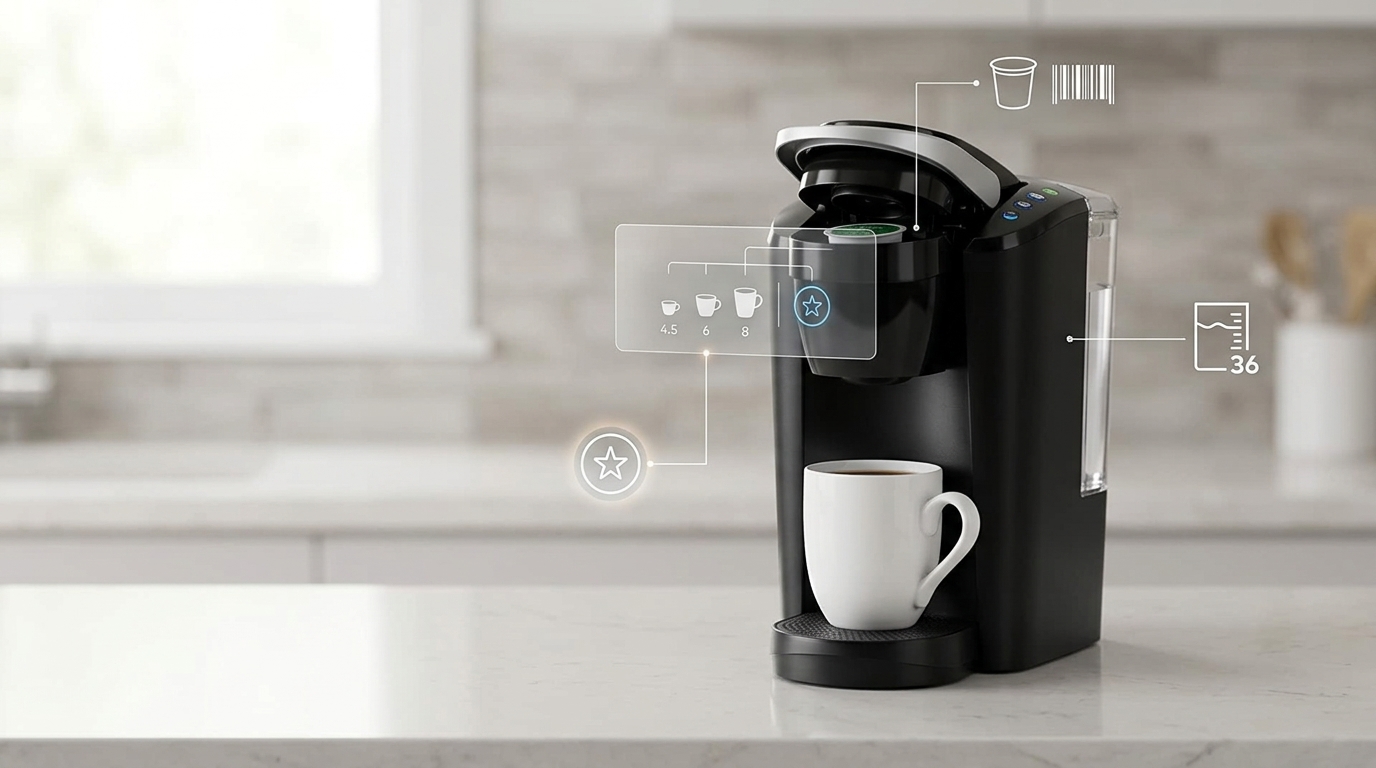
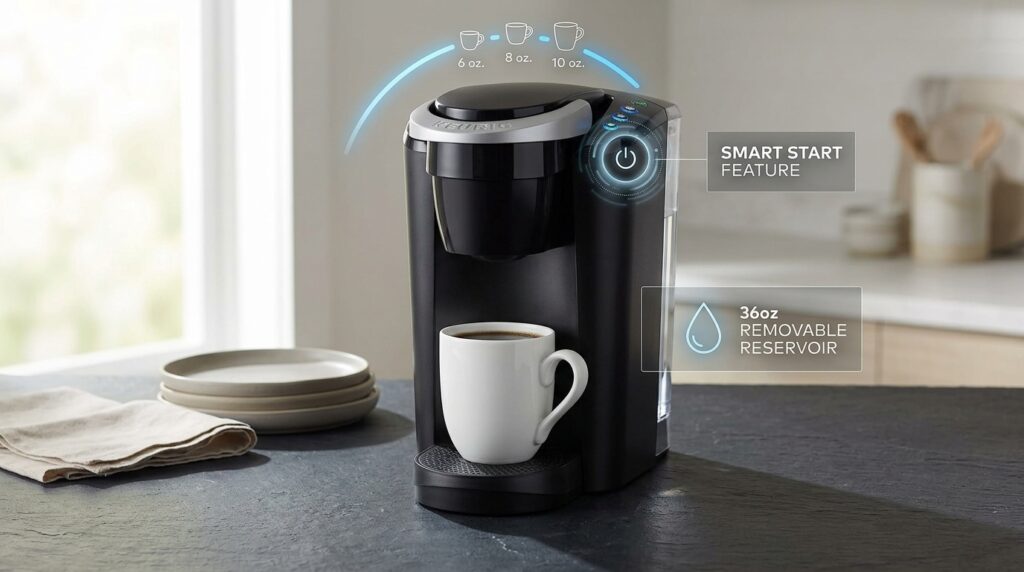
One of the defining characteristics of compact single-serve systems is the ability to customize cup size. Most compact models offer multiple brew sizes, typically ranging from small cups around eight ounces to larger servings of twelve ounces or more. Having several size options serves different purposes and preferences. Smaller brews work well for people who prefer a strong, concentrated cup, while larger sizes suit those who enjoy a milder strength or need more volume in the morning.
The ability to adjust brew size also has practical implications for daily use. If you’re running late and want just a quick coffee before heading out, a smaller size takes less time and requires less water. On weekends or when you have time to sit and enjoy your beverage, a larger option provides more to sip on.
Removable Reservoir
The water reservoir is the container that holds water for brewing. Removable reservoirs offer a significant convenience advantage compared to reservoirs permanently built into the machine. You can take the reservoir to your kitchen sink, fill it with fresh water, and return it to the machine, rather than opening the machine and pouring water into a built-in tank.
A 36-ounce reservoir capacity is moderate in size. For context, 36 ounces is roughly equivalent to three cups. This means that with a full reservoir, you could prepare several cups before needing to refill. The capacity strikes a balance between convenience and countertop space requirements, making it suitable for individuals and small households without requiring a larger machine footprint.
Smart Start Technology
Smart Start features on coffee makers typically involve a pre-infusion function that wets the coffee grounds before full brewing begins. The idea behind this technology is that pre-wetting allows water to saturate the grounds more evenly, potentially improving extraction and flavor consistency. The machine might automatically initiate this wetting phase when you start the brew cycle, requiring no additional action from you.
This feature appeals to users who want consistent results with minimal intervention. Rather than learning specific brewing techniques or timing, the machine’s automated process handles this step.
Compact Design Philosophy
The “compact” designation isn’t merely marketing language. These machines are engineered to occupy less counter space than full-sized drip brewers or traditional machines with thermal carafes. For people with limited kitchen space—apartment dwellers, individuals with smaller kitchens, or those with multiple appliances competing for counter real estate—a compact footprint addresses a genuine constraint.
The trade-off in choosing a compact model over a larger system typically involves water reservoir capacity and how frequently you need to refill. Compact machines require more regular refilling if you brew multiple cups consecutively, but this additional step is manageable for many households.
How Single-Serve Pod Systems Actually Work
Understanding the mechanics helps you get the most from your machine. When you insert a pod into the machine’s brew chamber, you’re placing pre-packaged coffee grounds into a sealed container. The machine’s needle system punctures the top and bottom of the pod, creating an entry point for hot water and an exit point for brewed coffee.
The machine heats water to approximately 195 to 205 degrees Fahrenheit, which is generally considered the optimal temperature range for coffee extraction. Once water reaches temperature, it flows through the punctured pod under pressure. This pressure isn’t as extreme as you’d find in espresso machines, but it’s enough to force water through the grounds efficiently, extracting flavor compounds and caffeine while leaving the coffee grounds in the used pod.
The entire brewing cycle typically takes between one and three minutes, depending on the brew size selected. Smaller cups brew faster than larger ones since less water needs to pass through the grounds.
Practical Applications and Usage Scenarios
The Busy Morning Routine
For people whose mornings follow a predictable pattern of getting ready quickly and heading out the door, single-serve pod systems excel. The speed of preparation means you can have coffee ready in the time it takes to grab a travel mug from the cabinet. This appeals particularly to people who have little patience for lengthy brewing processes when they’re focused on leaving on time.
Households with Different Coffee Preferences
Families and shared living situations often involve people with varying coffee tastes. One person might prefer a bold dark roast while another prefers a lighter, more delicate profile. Some household members might want regular caffeinated coffee while others prefer decaf, especially in the evening. Pod-based systems handle this diversity elegantly. Each person can select their preferred pod variety, and the machine brews exactly what they want without requiring adjustments or compromises.
Office and Workplace Settings
Single-serve pod makers have become fixtures in many workplace break rooms for good reason. They provide reasonable coffee without requiring the dedicated attention that commercial coffee makers demand. Multiple employees can use the same machine throughout the day without needing to brew large pots that might sit and grow stale.
Limited Quantity Brewing
When you live alone or in a two-person household, brewing a full pot of traditional drip coffee might result in waste. Many single-serve pod systems sidestep this issue entirely. You brew exactly the amount you want, when you want it, eliminating waste and ensuring every cup tastes fresh.
Entertaining Guests
When expecting visitors, offering a variety of coffee options signals thoughtfulness. A single-serve pod maker displaying a selection of different pod varieties allows guests to choose their preference without requiring you to brew multiple individual pots. This works particularly well for afternoon gatherings or casual meetings.
Who Might Find This Approach Suitable
Time-Conscious Individuals
People whose daily schedules move quickly find value in the speed and simplicity of pod-based brewing. If you consistently prioritize efficiency in your morning routine and view coffee preparation as a functional necessity rather than a ritual or hobby, this category of machine aligns well with that mindset.
People with Limited Kitchen Space
Apartment dwellers, those with small kitchens, or individuals with multiple competing appliances appreciate the compact footprint. If counter space is genuinely limited and you need to choose between appliances, a smaller machine makes practical sense.
Variety-Seeking Coffee Drinkers
Coffee preferences vary widely. Some people love exploring different roasts and origins; others prefer consistency but also appreciate options. If you’re someone who enjoys trying different coffee varieties or accommodates household members with different preferences, the extensive pod selection available suits this need well.
Consistency-Focused Users
Some people prefer predictability in their coffee. They like knowing that each morning’s coffee will taste the same as yesterday’s, rather than experiencing variables that come with manual brewing processes. Pod-based systems deliver this consistency.
People New to Coffee Making
If you’re not particularly experienced with coffee brewing or intimidated by the technical aspects of coffee making, a fully automatic single-serve system removes complexity. The machine handles temperature control, water flow, and timing without requiring your input or expertise.
Important Considerations Before Purchasing
The Environmental Impact of Pod Usage
Single-serve coffee pods generate a tangible environmental footprint. Each pod represents a small amount of plastic, aluminum, or composite material that enters landfills. While some manufacturers have developed recyclable or compostable pod options, standard plastic pods persist in the environment for years.
If environmental impact concerns you, this is worth contemplating before committing to a pod-based system. You’d be generating pod waste with every cup of coffee you brew. Some people mitigate this by using compatible reusable pods that you fill with ground coffee yourself, though this requires more involvement and eliminates some convenience advantages.
Long-Term Equipment Cost Considerations
While the machine itself represents an initial investment, the real cost involves the pods themselves. Pods typically cost between fifty cents and over a dollar per cup, depending on brand and variety. For someone brewing one cup daily, this translates to roughly fifteen to thirty dollars monthly in pod costs alone. Over a year, these costs accumulate significantly and should factor into your financial planning.
Maintenance Requirements
Single-serve pod machines require periodic maintenance to function optimally. Mineral buildup from water occurs over time, particularly in areas with harder water. Manufacturers typically recommend descaling the machine every three to six months. This involves running a special descaling solution through the machine to remove mineral deposits that can affect performance and water quality.
Additionally, the brew chamber where pods are inserted can accumulate residue. Regular cleaning is necessary to prevent flavor contamination in future brews. While not particularly difficult, this maintenance routine requires attention and adds to the overall cost if you purchase commercial descaling products.
Limited Brewing Flexibility
Pod-based systems aren’t suitable for everyone’s coffee needs. If you prefer cold brew coffee, you won’t be able to make it with a pod machine. If you enjoy making larger quantities at once for batch brewing, a single-serve system isn’t designed for that. If you’re interested in exploring coffee brewing as a hobby with manual control over variables like water temperature and flow rate, an automatic pod system won’t provide that engagement.
Pod Availability and Compatibility
While pod variety is extensive, you’re limited to pods compatible with your machine. If you switch machines down the line, previously purchased pods might not work with a new model if the connector format differs. This creates a form of ecosystem lock-in that’s worth considering.
Machine Lifespan and Repair
Like all appliances, pod-based machines eventually fail. Some machines last several years with regular use, while others experience issues sooner. When problems occur, repair options might be limited compared to traditional coffee makers, and repair costs can be substantial relative to the machine’s original price. Understanding the warranty coverage and available support before purchasing can help manage this risk.
Comparing Pod-Based Systems to Other Brewing Methods
Versus Traditional Drip Coffee Makers
Traditional drip coffee makers brew larger quantities, typically producing an entire pot. They’re generally less expensive upfront than pod systems and don’t generate pod waste. However, they require more manual involvement in the brewing process and can result in waste if you don’t finish the entire pot. Drip makers work well for households where multiple people want coffee simultaneously or where larger quantities are regularly needed.
Versus Espresso and Super-Automatic Machines
True espresso machines and super-automatic machines offer more brewing flexibility and control. These machines can prepare various drinks from the same machine and allow customization of brewing parameters. However, they’re significantly more expensive, require more technical knowledge, and demand greater maintenance. They’re best suited for coffee enthusiasts who view brewing as a hobby or for commercial settings.
Versus French Press and Manual Pour-Over Methods
Manual brewing methods like French press and pour-over offer complete control over variables affecting flavor and allow for more affordable per-cup costs once you’ve purchased the equipment. However, they require active involvement in the brewing process and produce variable results based on technique. Manual methods appeal to people who enjoy the ritual of coffee making.
Versus Instant Coffee
Instant coffee represents the fastest brewing option and has extremely low equipment requirements. However, most people find the flavor profile and mouthfeel substantially different from freshly brewed coffee. For quality-conscious individuals, instant coffee falls short despite its speed and convenience.
Versus Cold Brew Systems
Cold brew delivers a different flavor profile and can be made in large batches, making cost per serving quite low. However, cold brew requires planning ahead since steeping takes many hours. Cold brew systems also typically require more equipment and storage space than single-serve pod makers.
Frequently Asked Questions
How long does a pod machine last?
The lifespan varies based on usage frequency and maintenance consistency. Some machines remain functional for five years or more with regular use, while others might experience problems within two to three years. Consistent maintenance, proper descaling, and avoiding extreme usage patterns can extend the machine’s working life.
Can I use non-compatible pods in the machine?
Pod systems are designed to work with specific pod formats. Using incompatible pods can damage the brew chamber, create messy spills, or fail to brew properly. Always verify compatibility before purchasing pods from unfamiliar brands.
How much water does each brew size use?
The water volume varies by brew size. A six-ounce brew typically uses about six to eight ounces of water, while a twelve-ounce brew uses twelve to fourteen ounces. Some water loss occurs as steam during the brewing process.
What happens if I want to make multiple cups back-to-back?
You can brew multiple cups consecutively, but the machine needs time to heat water between brews. The water reservoir will eventually deplete and need refilling. A 36-ounce reservoir will support making several cups before requiring refilling, depending on the brew size you select.
Can I use these machines for other beverages?
Compatible pods exist for tea, hot chocolate, chai, and other hot beverages. However, the machine is optimized for coffee pods. Using it for other beverages works, but results might not be ideal for those applications.
What water should I use?
Tap water is generally acceptable for pod-based machines. However, in areas with extremely hard water, using filtered water can reduce mineral buildup and extend the machine’s lifespan. Some people use bottled water, though this adds cost and environmental considerations.
Why isn’t my machine brewing correctly?
Common issues include mineral buildup requiring descaling, a clogged needle system (usually resolved by running water through the machine without a pod), or a misaligned pod that hasn’t been punctured properly. The instruction manual typically addresses troubleshooting steps.
Are pods recyclable?
Some pods are recyclable through specific programs, though many standard plastic pods go to landfills. Check with local recycling programs to determine what’s accepted. Many manufacturers also offer recycling programs, though participation requires mailing pods to designated facilities.
Can I adjust the coffee strength?
You can influence strength by selecting different brew sizes. Smaller brews yield stronger coffee, while larger brews produce milder coffee. The coffee strength is primarily determined by the pod variety selected rather than machine adjustments.
Conclusion
Single-serve pod coffee makers represent a practical option within the broader landscape of coffee brewing technology. They prioritize convenience and speed while sacrificing some of the flexibility, cost efficiency, and environmental considerations that alternative methods offer.
Understanding what these machines provide and what compromises they require positions you to make an informed decision aligned with your specific circumstances. For some people—particularly those valuing speed, variety, and minimal daily involvement in coffee preparation—pod-based systems make genuine sense. For others whose priorities differ, alternative brewing methods might serve them better.
The decision ultimately depends on how you weigh competing factors like convenience, cost, environmental impact, and your personal relationship with coffee brewing. There’s no universally correct answer, only the approach that works best for your individual situation and values.