Introduction
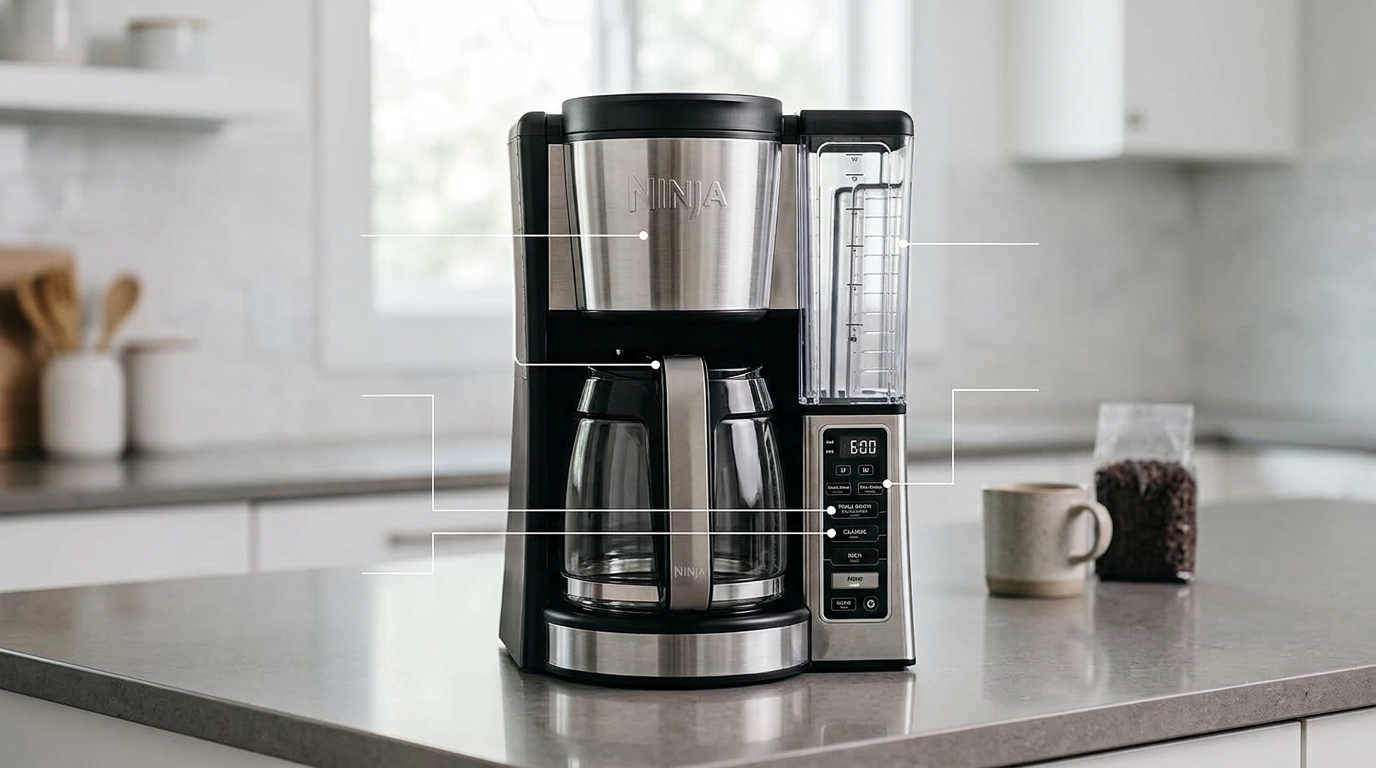
The morning ritual of brewing coffee holds a special place in many households. Whether you’re someone who appreciates a quick cup before heading out the door or enjoys savoring your brew over time, the coffee maker you choose can significantly impact your daily experience. The Ninja Fresh Brew Coffee Maker represents one approach to home coffee brewing, combining several practical features into a single appliance. This article explores what this model offers, how it functions, and what potential users should know when considering it for their kitchen.
Understanding the mechanics and capabilities of a coffee maker before bringing it home helps ensure it aligns with your lifestyle and preferences. Rather than focusing on marketing claims, we’ll examine the actual features and consider how they translate to real-world use.
Key Features and Specifications
The Ninja Fresh Brew Coffee Maker comes with several features that define its functionality and capability. Let’s examine these in detail.
Glass Carafe Design
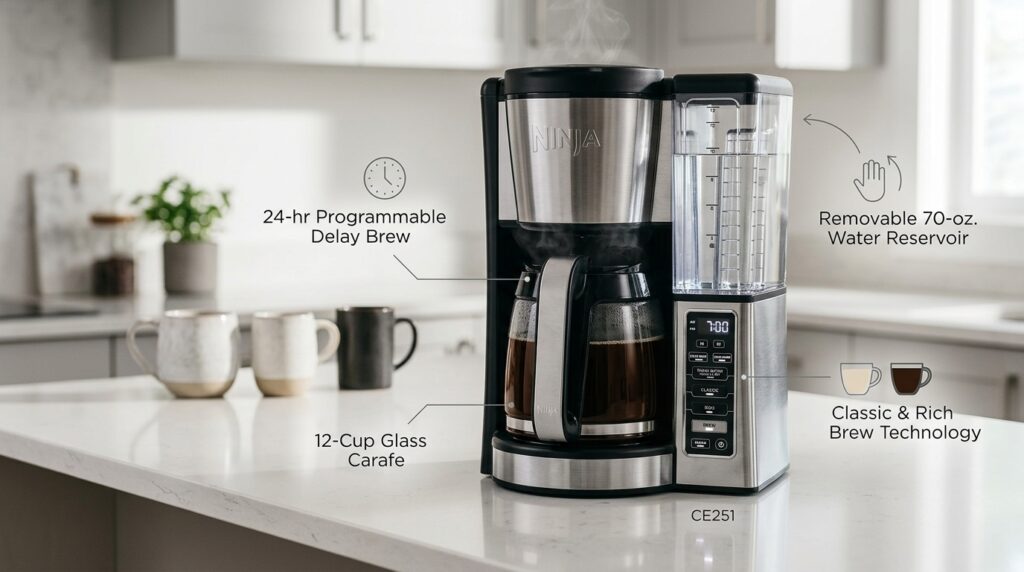
The 12-cup glass carafe serves as the vessel for brewed coffee. Glass carafes have long been standard in drip coffee makers, and they offer certain advantages and trade-offs compared to alternatives. Glass is transparent, allowing you to see when the carafe is full and monitor the brewing progress. This transparency also makes it easy to gauge how much coffee remains during the day. The glass construction is also neutral in terms of flavor—unlike some materials, it doesn’t impart tastes into your coffee.
However, glass does come with considerations. It requires careful handling and is more fragile than some other carafe materials. Additionally, glass can be prone to staining over time, though this is typically a cosmetic issue rather than a functional one.
Water Reservoir Capacity
The 70-ounce removable water reservoir represents a meaningful capacity for daily use. This size typically produces around 12 cups of coffee, depending on how you define a “cup” in brewing terms. For context, a standard coffee cup measurement often refers to 5 ounces of liquid, making a 12-cup carafe roughly 60 ounces of finished coffee, though the reservoir needs slightly more water to account for absorption.
The removable reservoir design means you can detach it from the machine for filling and cleaning. This feature simplifies maintenance and allows for flexibility in your brewing routine. You can fill the reservoir separately at the sink, which some people find more convenient than filling directly at the machine.
Programmable Functionality
Programmable coffee makers allow you to set a specific time when brewing should begin. This means you could prepare the machine the evening before and wake up to fresh coffee ready at a designated time. This feature appeals to many people who value convenience and routine, though it does require the machine to be plugged in consistently and positioned in a way that allows for this scheduled operation.
Brew Options: Classic and Rich
The machine offers two brewing modes. The Classic setting presumably produces standard coffee, while the Rich setting likely extends the brewing time or adjusts water temperature to extract more flavor compounds from the grounds. This dual-option approach gives users some control over the intensity of their coffee without needing separate equipment.
Stainless Steel Construction
The stainless steel components provide durability and a professional appearance. Stainless steel is resistant to corrosion and relatively easy to clean, contributing to the machine’s longevity. The combination of stainless steel with the glass carafe creates a hybrid aesthetic—modern and functional without appearing overly minimalist.
How This Coffee Maker Can Be Used
Beyond the basic function of brewing coffee, understanding the different ways this machine fits into daily routines provides practical insight.
Morning Preparation Routines
Many people use programmable coffee makers to have coffee ready at a specific wake-up time. Setting the machine before bed means the brewing process begins automatically at a predetermined hour. This works particularly well for households with consistent morning schedules. The 12-cup capacity suits households where multiple people might need coffee in a short timeframe or where one person wants enough coffee to last several hours.
Office or Remote Work Settings
Those who work from home often appreciate the convenience of brewing multiple cups at once. Rather than using a smaller single-serve brewer multiple times throughout the morning, one brewing cycle can provide enough coffee for several hours of work. The removable water reservoir makes it straightforward to refill without relocating the entire machine.
Small Gathering Preparation
A 12-cup capacity works well for casual gatherings—coffee for a few friends, a small book club meeting, or a informal morning gathering. It’s sizable enough to serve multiple people without requiring constant attention or multiple brewing cycles, yet not so large that it seems excessive for everyday use.
Flexible Brewing Schedule
Because the brewing can be programmed, you’re not limited to specific times. You might set it to brew coffee at 6 AM on weekdays and adjust it for weekends when you prefer a later start. This flexibility accommodates varying schedules without requiring you to change the machine’s default settings repeatedly.
Who This Coffee Maker May Suit
Different people prioritize different features when selecting kitchen appliances. This model may particularly appeal to certain user profiles.
Regular Coffee Drinkers with Established Routines
People who drink coffee every morning as part of a consistent routine may find the programmable feature genuinely useful. If your wake-up time rarely varies, the ability to have coffee ready eliminates decision-making from your morning.
Households with Multiple Coffee Drinkers
Families or shared households where multiple people consume coffee in the morning benefit from a machine that brews 12 cups efficiently. This prevents conflicts over who gets coffee first and reduces time spent on the brewing process when people have different departure times.
Those Who Value Simplicity
This machine represents straightforward, traditional coffee brewing. If you appreciate the classic drip coffee experience without seeking specialty features like built-in grinders or milk frothing capabilities, the straightforward design appeals to that preference.
People with Limited Kitchen Space
While not particularly compact, the machine has a modest footprint compared to some other options. For those with limited counter space who still want traditional drip coffee capability, this size represents a reasonable compromise.
Budget-Conscious Consumers
Programmable drip coffee makers occupy a middle ground in pricing. They cost more than basic non-programmable models but significantly less than specialty machines with numerous features. This positioning suits people who want core functionality without premium pricing.
Important Considerations Before Use
Before deciding if this coffee maker aligns with your needs, several practical considerations merit reflection.
Counter Space Requirements
The machine requires dedicated counter space. While the footprint is reasonable, it’s larger than single-serve brewers and shouldn’t be tucked into small corners. Ensure your intended location offers adequate clearance, particularly around the top where you’ll be adding water.
Regular Maintenance Needs
Like all coffee makers, this model requires regular cleaning to function optimally and last longer. The glass carafe needs washing, the filter basket requires cleaning, and mineral buildup from hard water necessitates periodic descaling. If maintenance feels like a burden rather than routine care, factor this into your decision.
Water Quality Impact
The mineral content in your water affects both the machine’s lifespan and the coffee’s taste. Hard water builds up mineral deposits faster, requiring more frequent descaling. If you have very hard water, you might consider using filtered or distilled water, which adds a small ongoing cost.
Noise During Brewing
Drip coffee makers produce noise during the brewing cycle—particularly when water is heating and during active brewing. If you’re starting a brewing cycle before others in your household wake up, the noise might be a consideration, though most modern coffee makers are reasonably quiet compared to older models.
Carafe Durability
While glass carafes are durable, they’re not indestructible. The thermal shock from placing a cold carafe under hot-water spray or from sudden temperature changes can occasionally lead to breakage. Handle with care, and avoid extreme temperature transitions.
Heating Plate Function
Many drip coffee makers include a heating plate beneath the carafe that maintains coffee temperature after brewing. Understanding how long your machine keeps coffee warm is important, particularly if you brew multiple cups and drink them over time. Coffee left on a heating plate too long can develop an unpleasant taste.
Comparing Different Coffee Brewing Categories
The broader coffee maker landscape includes several different approaches, each with different strengths. Understanding where this model fits helps clarify whether it matches your preferences.
Traditional Drip Coffee Makers
The Ninja Fresh Brew represents the traditional drip coffee category. These machines are straightforward, reliable, and produce coffee through a simple gravity-fed process. They’re typically less expensive than many alternatives and require minimal learning curve. The trade-off is they lack the specialty features and customization that premium machines offer.
Single-Serve Brewing Systems
Single-serve brewers produce individual cups on demand. They offer convenience and variety—different beverages without brewing full pots. However, they typically cost more per cup and generate more packaging waste. Single-serve is ideal for variety-focused households but can become expensive and wasteful for heavy coffee drinkers.
Espresso and Specialty Machines
Espresso machines and specialty brewers produce different coffee styles and typically require more user skill. They’re more expensive and demand regular maintenance and cleaning. These suit coffee enthusiasts who value customization and specialty beverages over simplicity and speed.
French Press and Pour-Over Methods
These manual brewing methods require hands-on participation but offer control over brew time and water temperature. They appeal to coffee aficionados but require more time and attention than automatic machines. They also typically produce smaller quantities unless you go through multiple brewing cycles.
Thermal Carafe Models
Some coffee makers feature thermal carafes instead of glass. Thermal carafes insulate coffee better than glass and don’t require a heating plate. The trade-off is they typically cost more and don’t provide the visual feedback of seeing coffee level as you pour.
The machine in question occupies the middle ground—more capable than the most basic drip makers but simpler and less expensive than specialty equipment.
Frequently Asked Questions
How often should the machine be cleaned?
Regular daily cleaning of the carafe and filter basket is recommended. The water reservoir should be emptied and dried regularly. Descaling—running a solution through the machine to remove mineral buildup—typically occurs monthly or as needed based on your water hardness.
Can the machine brew fewer than 12 cups?
Most traditional drip coffee makers don’t have separate settings for smaller quantities. You could brew a smaller amount by filling the reservoir partway, though this affects the machine’s heating cycles and may alter brewing quality. Check the manufacturer’s guidance on this.
What size filters does it require?
Most 12-cup drip coffee makers use standard basket-style filters. Verify the specific filter size compatible with this model, as slight variations exist.
Is the programmer easy to set?
Programmable features vary in complexity. Some machines use straightforward buttons and displays, while others involve more steps. Reading the instruction manual beforehand helps you gauge whether the programming interface matches your comfort level with technology.
Can cold brew be made in this machine?
This is a traditional hot brewer, not designed for cold brewing processes. Cold brew requires different equipment and extended steeping times.
How long does coffee stay warm on the heating plate?
This varies by machine specifications. Generally, coffee remains at a reasonable drinking temperature for 30 minutes to an hour on a heating plate, though flavor can degrade with extended heat exposure.
Is hard water a real concern?
Hard water does accelerate mineral buildup. If you have very hard water, you’ll descale more frequently, but this is manageable with routine maintenance. Using filtered water can extend the time between descaling.
Conclusion
The Ninja Fresh Brew Coffee Maker represents a functional approach to traditional drip coffee brewing. It combines basic programmability with a reasonable capacity and straightforward operation, making it a practical option for people seeking conventional coffee brewing without excessive complexity or premium pricing.
Whether this machine suits your particular situation depends on your daily routine, how much coffee you consume, your space and maintenance tolerance, and your preferred brewing method. People with consistent morning schedules, multi-person households, and appreciation for simplicity may find it aligns well with their needs. Those seeking specialty features, single-serve convenience, or minimal counter space footprint might explore other options.
The key is honestly assessing your coffee consumption patterns and kitchen environment rather than purchasing based on features you might not genuinely use. A machine that matches your actual needs and habits will serve you better long-term than one purchased for theoretical capabilities.